
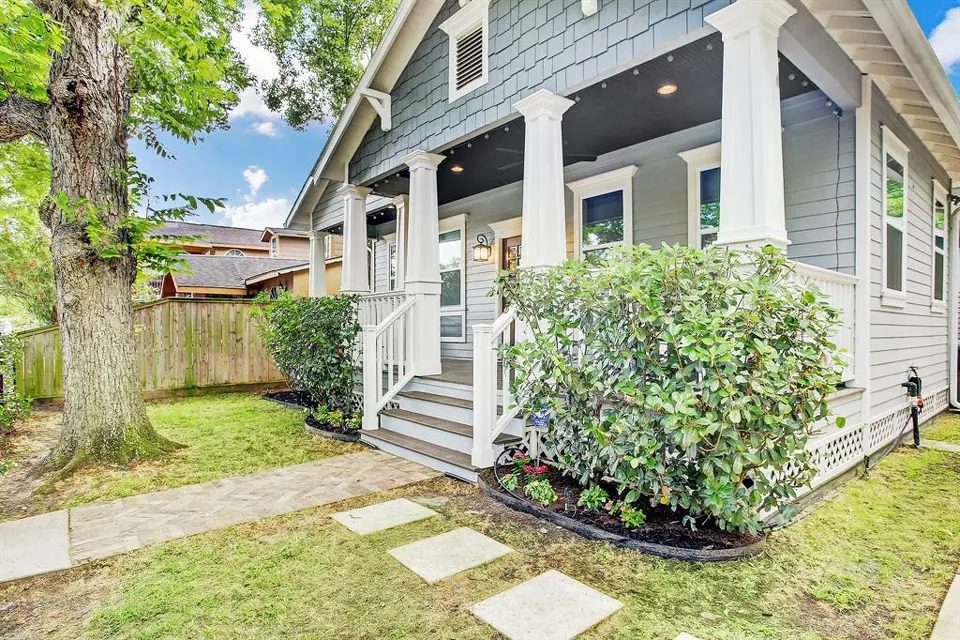
So, you’ve just received the dreaded news: a failed historic home inspection. It’s a moment that can make your heart sink, as that daunting report turns your dream home into a list of a century’s worth of wear and tear. But don’t panic. That inspection report isn’t a sign that you should run away; it’s the most valuable tool you have.
But don’t. That inspection report isn’t a sign that you should run away. It’s the most valuable tool you have. It turns all that vague charm and emotion into a detailed, data-driven plan for your restoration project. You’re not buying a problem; you’re buying a blueprint.
This guide will walk you through the most common issues, your strategic options for moving forward, and how to build the right team to get the job done.
Table of Contents
Part 1: Common Issues You’ll Find in Older Homes

Historic properties have unique vulnerabilities. The inspector’s job is to uncover what nature and time have been working on. Here are some of the most frequent finds:
- Foundation Issues: This is the highest priority. Look for sloping floors, cracks in walls, or doors that don’t close right. Repairs can range from a few hundred dollars for minor cracks to tens of thousands for major structural work.
- Outdated Electrical Systems: Homes built before the 1940s may have knob-and-tube wiring, which is a fire hazard. Even newer homes may not have the capacity for modern appliances. Rewiring can be a major expense, often averaging over $24,000.
- Old Plumbing: You might find galvanized steel or cast iron pipes that are corroding. This can lead to low water pressure, rusty water, and leaks. Replacing the entire system is often the best long-term solution.
- Roof Problems: Historic roofing materials like slate or wood shakes are beautiful, but they can be worn down after decades. An inspection may find missing shingles or signs of water damage, indicating a costly replacement is on the horizon.
- Hazardous Materials: Homes built before the 1970s often contain lead paint and asbestos. Abatement of these materials requires a professional and adds to the cost.
- Moisture and Pests: Old homes may lack modern moisture barriers, making them susceptible to water intrusion, mold growth, and pest infestations, all of which can lead to structural damage.
Part 2: Your Strategic Options After a Failed Historic Home Inspection

Now that you’ve reviewed the report from your failed historic home inspection and understand the scope of the issues, you have power. You don’t have to just accept the home “as is.” You have three primary paths forward:
- Request the Seller to Make Repairs: This seems easy, but it comes with a major catch. You lose all control. A seller might opt for the cheapest, quickest fix instead of a durable, historically appropriate solution, leaving you with bigger problems down the road.
- Negotiate a Financial Concession: This is often the most strategic move. It gives you control over the repairs and who performs them. You can ask for:
- Seller Credit: The seller gives you a sum of money at closing to cover repair costs.
- Pros: You get immediate cash for repairs. You choose the contractor and oversee the quality of the work.
- Cons: It doesn’t reduce your loan principal, meaning you’ll pay more in long-term interest.
- Price Reduction: The seller lowers the purchase price of the home.
- Pros: This lowers your total loan amount, saving you money on interest over the life of your mortgage.
- Cons: You don’t get immediate cash for repairs at closing.
- Seller Credit: The seller gives you a sum of money at closing to cover repair costs.
- Walk Away: If the issues are too severe or the seller won’t negotiate, your inspection contingency allows you to exit the deal and get your earnest money back. This is a powerful move, because the seller will then be legally required to disclose the issues to all future buyers.
Part 3: Assembling Your Houston-Based A-Team
Historic restoration is a specialized skill. Don’t hire a general contractor who doesn’t understand period materials or the unique challenges of an older home. You need a team with proven experience, like the experts at Square 1 Solutions.
Use this checklist when interviewing potential contractors:
- Do they have specific experience with homes of this age and style?
- Can they provide a Contractor’s Qualification Statement (A305) and proof of insurance?
- What percentage of their work involves historic properties?
- How do they source period-appropriate materials?
- Are they experienced with the local Certificate of Appropriateness (COA) and permitting process?
- How do they handle the “unexpected finds” that are so common in older homes?
- Is a comprehensive written contract with a retainage clause included?
For more information on how we can help with your historic home restoration, visit us at square1.solutions.
Part 4: Navigating Sourcing Capital and Regulations in Houston, Texas
While you can negotiate for a financial concession, you may need additional funds. A common misconception is that “free money” is readily available for historic homeowners. In reality, most significant grants and tax credits are for commercial or non-profit properties. Some local and federal loan programs exist for low-income homeowners, but their eligibility is very specific.
For example, the Texas Historic Preservation Tax Credit program offers a 25% tax credit on eligible rehabilitation costs, but this is only for income-producing or non-profit buildings, not owner-occupied residential homes. You can find more details on the Texas Historical Commission website.
The City of Houston also has a Home Repair Program to assist low- and moderate-income homeowners with repairs, but it is important to check the website for current funding availability, as the program is not always accepting applications.
Lastly, be prepared to navigate local historic preservation regulations. A historic home with an official designation is a civic resource, and its owner is a steward of that resource. In Houston, any exterior alterations to a designated historic home require a Certificate of Appropriateness (COA), which ensures your project preserves the home’s character.
The Houston Archaeological and Historical Commission (HAHC) reviews these projects. The COA process depends on the project’s scope and is categorized into three levels of review:
- Exemption: Certain projects, such as routine maintenance or gutter installation, are automatically approved.
- Administrative Review: Minor projects, like replacing damaged materials with “in-kind” ones, can get streamlined approval.
- HAHC Review: All other major work, such as additions or changing windows, requires a full review to ensure it preserves the home’s character.
An experienced contractor will be able to guide you through this process.
Conclusion
A failed historic home inspection is a wake-up call, but it doesn’t have to be a dealbreaker. By seeing it as a roadmap, you can take control of the situation and turn what seemed like a crisis into a strategic, well-planned project. You’ll not only be restoring a home, you’ll be becoming a thoughtful and responsible steward of a piece of Houston’s history.